Stranger Clan Names, Meaning & History.
Stranger surname info is currently not listed.
If you know its Meaning, Clans or History, please add it by making a comment below.
Stranger Clan Names, Meaning & History.
Stranger surname info is currently not listed.
If you know its Meaning, Clans or History, please add it by making a comment below.
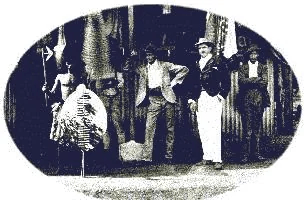
Born in 1876 and dies in 1940, Chief Bokweni Mamba was the son of Matja I and chief of the Mamba clan who dominated southeast Swaziland at the start of the colonial era in the 1880s.
At that time they celebrated their own Incwala, the ceremony of kingship. However concessionaires needed one king and one authority to validate their concessions and the British only recognised one king, of the iNkhosi Dlamini clan. The Mambas then gradually lost power. Chief Bokweni accepted the situation with public grace and died a respected man in 1940 with 46 wives and about 5000 followers. In the photo he is wearing a necklace of lion claws, probably from an animal that he had killed himself, with a spear.
After demonstrating exceptional bravery during the Mfecane wars, he was allocated a large territory in the eastern parts of Eswatini by his brother King Somhlolo. He was permitted to establish his own kingdom as recognition of his valor and service, founding the Mamba royal lineage that continues to this day. He was presented to His Majesty King Mswati III of Eswatini at Ngabezweni Royal Residence, receiving the King’s blessings alongside 50 other chiefs. He was the first to be presented (kuchuba) to the King with two cows. His installation marked the end of chieftaincy disputes and established him as the recognized traditional leader of the Mamba people. The Mamba Kingdom has historical ties to South Africa, with eight chiefs based in South Africa also receiving blessings from the Eswatini monarchy . Members of the Mamba royal house, including descendants like Mbongeni Mamba, continue to uphold the traditions and heritage established by Prince Maloyi centuries ago. The Mamba Kingdom remains an important traditional institution with influence spanning Eswatini and parts of South Africa .Nkhosi,
Dlamini,
Wena wekunene !
Wena umuhle kakhulu,
Wena weluhlanga lwakangwane,
Hlubi lomuhle umlangeni,
Sidlubuladlede sakalobamba,
Lesitsi sibadla sibe sibadlubulisa,
Wena lowabophela lokuhle emfuntini,
Watsi mfati ubotala,
Sidvwabasilutfuli,
Singaba ncwaba seta nemlandzakati,
Gwalagwala lelihle lemakhosi,
Nyatsi lemphondvo timakhenkhenene,
Yadla umuntfu kwanga bamhlabe ngelihloka,
Vuso leladla umuntfu asesiswini,
Watsi longephandle wasindza ngekutibalekela,
Mahlala elukhandzeni lwenyatsi,
Wentela benyatsini khona batekubalekela,
Mangcwangu,
Samuketi sinembovu kumalangeni,
Wena longayidli imvu lemnyama,
Wesaba emafinyila nemcondvo,
Mamba leluhlata levuka etihosheni telubhalule,
Wena lowacedza lubombo ngekuhlehletela,
Mlangeni longanatsi emanti,
Unatsa ingati yemadvodza,
Hlubi wakucala.
Gwalagwala !
Shumi lekutsenga,
Awucedvwa nkhosi !!!
Served as Acting Judge for KwaZulu-Natal High Courts (Durban and Pietermaritzburg) in 2011, 2012, 2015, and 2017. Board member at Phumelela Gaming & Leisure Limited, serving on Audit, Remuneration, and Industry Specific committees. Holds Bachelor of Procurement Law (B Proc) and LLB.
His descendants would go on to establish royal houses across Southern Africa, including the reigning monarchy of Eswatini.
His reign saw significant challenges as much Swazi land was lost to Boer concessionaires. He was given the title Dlamini IV upon ascending the throne, chosen by Sisile Khumalo, the late king’s mother, to take the kingship.
They conquered and incorporated many earlier inhabitants, eventually ruling over all of present-day Eswatini. The House of Dlamini continues to serve as Eswatini’s reigning royal family to this day.
1950-2021)
King of the Nhlangwini people who sought recognition as an independent kingdom within KwaZulu-Natal. Despite his claims being rejected by the Nhlapo Commission in 2009, he maintained his status as king until his death. His son Nqalabutho kaMelizwe Dlamini succeeded him and continues his father’s legacy, receiving a certificate of recognition from the Congress of Traditional Leaders of South Africa in 2024.
He continues to seek full constitutional recognition of his kingdom, maintaining that the Nhlangwini have never bowed to the Zulu king and have no historical relationship with the Zulu monarchy. His cause represents one of several KZN tribes seeking recognition as independent kingdoms.
Sinanatelo saka-Dlamini
Wena wekunene
Samkete singambova malangeni
Wena lowacedza Lubombo ngekuhlehletela
Wena lobophela lokumnandzi emnfuntini utsi ingcamu utawudla ngendlela
Sidlukula dledle sakalobamba
Lesitsi sibapha sibe sidlukulisa
bafati nema dvodza
awucedvwa mlangeni
His descendants would go on to establish royal houses across Southern Africa, including the reigning monarchy of Eswatini.
His reign saw significant challenges as much Swazi land was lost to Boer concessionaires. He was given the title Dlamini IV upon ascending the throne, chosen by Sisile Khumalo, the late king’s mother, to take the kingship.
They conquered and incorporated many earlier inhabitants, eventually ruling over all of present-day Eswatini. The House of Dlamini continues to serve as Eswatini’s reigning royal family to this day.
1950-2021)
King of the Nhlangwini people who sought recognition as an independent kingdom within KwaZulu-Natal. Despite his claims being rejected by the Nhlapo Commission in 2009, he maintained his status as king until his death. His son Nqalabutho kaMelizwe Dlamini succeeded him and continues his father’s legacy, receiving a certificate of recognition from the Congress of Traditional Leaders of South Africa in 2024.
He continues to seek full constitutional recognition of his kingdom, maintaining that the Nhlangwini have never bowed to the Zulu king and have no historical relationship with the Zulu monarchy. His cause represents one of several KZN tribes seeking recognition as independent kingdoms.
© 2026