If you know its Meaning, Clans or History, please add it by making a comment below.

Tag: tshungana Page 1 of 2
Sibanyoni clan praises [version 1]
Sibanyoni, Malambule, Khozakhulu, Mhlumane, Kwanda kwaphangalala inyoni yakhelakabi yabhekisumlomo ezizibeniabanye bathi iyekeni yenza ngokwenzakwayo, Phuzakwezinde iziziba ezimfushane zibuya nodaka !
Sibanyoni clan praises [version 2]
Sibanyoni, Mkhwanazi, Nyoni kayidliwa wayidla uyayihlawula, Mkhwanazi oluhlaza, Madlayi onenkungu, Pangela !
Tinanatelo SIBANYONI [Swati version]
Malambule,
Matsetsa,
Khotakhulu,
Dada lelabhula emanti ngemaphiko,
Nyoni leyakha kabi,
Yabhekisa umlomo esitibeni,
Labanye batsi yibambeni,
Labaye batsi yiyekeni,
Yenta ngekutsandza kwayo,
Mhlumayo!
π Popular people from Zulu last name
-
Sandile Zungu (Finance/Sports)
Businessman, founder of Zungu Investments, and owner of AmaZulu FC. -
Alexander Grey Zulu (Politics/Law)
Prominent Zambian politician and cabinet minister. -
Onthatile Zulu (Sports)
Rising star in South African field hockey and national team player.
Popular people from Zulu last name
- Misizwe Mtshali (Technology/FinTech) – South African tech professional who worked at Microsoft and MTN Business. Now based in Singapore as an entrepreneur in the FinTech space. [Source: SA Chamber of Commerce Singapore]
- Princess Kasune Zulu (Legal/Social Justice) – Zambian HIV/AIDS activist and author included in “Notable African American & Black Heritage” biographical profiles. [Source: Gale eBooks]
- Ntandoyesizwe Zulu-Tembe (Royalty) – Daughter of the late amaZulu King Zwelithini kaBhekuzulu and Queen Mantfombi Dlamini. Married to businessman Moses Tembe. [Source: Sunday World]
Popular people from Zulu last name
South African tech professional who worked at Microsoft and MTN Business. Now based in Singapore as an entrepreneur in the FinTech space. Represents South African tech expertise on international stage.
Zambian HIV/AIDS activist and author included in “Notable African American & Black Heritage” biographical profiles. Advocate for social justice and public health awareness.
Daughter of the late amaZulu King Zwelithini kaBhekuzulu and Queen Mantfombi Dlamini. Married to businessman Moses Tembe. Represents continuity of Zulu royal heritage.
Royalty from Zulu last name
Founder of the Zulu clan, son of Malandela. When Malandela died, he divided the kingdom into two clans, the Qwabe and the Zulu. Zulu I established the royal lineage that would eventually unite numerous clans into the powerful Zulu nation.
Founder of the Zulu Kingdom and one of the most influential monarchs in African history. Through military innovation and strategic conquests, he transformed a small chiefdom into a powerful empire that dominated much of present-day KwaZulu-Natal. His policies and military reforms created the foundations of Zulu identity and power.
Half-brother of Shaka who reigned from 1840 to 1872. He had at least 28 children by different wives, many of whom have living descendants. His reign saw the Zulu kingdom maintain its independence while navigating complex relationships with Boer settlers and British colonial forces.
Son of Mpande who led the Zulu nation during the Anglo-Zulu War of 1879. His forces achieved a famous victory at the Battle of Isandlwana but were ultimately defeated. He was later restored as king before his death in 1884.
Longest-reigning Zulu monarch, ruling for nearly 50 years from 1971 to 2021. He had six wives and 28 children. He revived cultural practices including the annual Reed Dance ceremony to promote pride in Zulu traditions and HIV awareness. He was a direct descendant of King Cetshwayo, who led the Zulu nation during the 1879 war against the British army.
Current reigning monarch of the Zulu nation, installed in 2021 following the death of his father. His mother was Queen Mantfombi Dlamini, daughter of King Sobhuza II of Eswatini. As the son of the “Great Wife” whose lobola was paid by the nation, he is the rightful heir according to Zulu tradition. His reign has faced legal challenges from other branches of the royal family but continues with the support of millions of Zulu people.

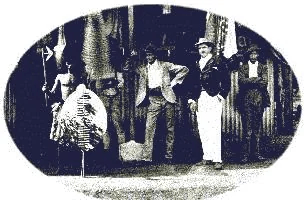
Born in 1876 and dies in 1940, Chief Bokweni Mamba was the son of Matja I and chief of the Mamba clan who dominated southeast Swaziland at the start of the colonial era in the 1880s.
At that time they celebrated their own Incwala, the ceremony of kingship. However concessionaires needed one king and one authority to validate their concessions and the British only recognised one king, of the iNkhosi Dlamini clan. The Mambas then gradually lost power. Chief Bokweni accepted the situation with public grace and died a respected man in 1940 with 46 wives and about 5000 followers. In the photo he is wearing a necklace of lion claws, probably from an animal that he had killed himself, with a spear.
Popular people from Mamba last name
Finance professional with experience in investment banking and corporate finance across Southern Africa. Background in mergers and acquisitions, capital raising, and financial advisory services.
Royalty from Mamba last name
Founder of the Mamba clan and brother to King Somhlolo (Sobhuza I) of Eswatini. After demonstrating exceptional bravery during the Mfecane wars, he was allocated a large territory in the eastern parts of Eswatini by his brother King Somhlolo. He was permitted to establish his own kingdom as recognition of his valor and service, founding the Mamba royal lineage that continues to this day.
Installed as the reigning King of the Mamba Clan in October 2022. He was presented to His Majesty King Mswati III of Eswatini at Ngabezweni Royal Residence, receiving the King’s blessings alongside 50 other chiefs. He was the first to be presented (kuchuba) to the King with two cows. His installation marked the end of chieftaincy disputes and established him as the recognized traditional leader of the Mamba people. The Mamba Kingdom has historical ties to South Africa, with eight chiefs based in South Africa also receiving blessings from the Eswatini monarchy [citation:2][citation:6].
The Mamba clan maintains a distinct royal identity while recognizing their connection to the broader Dlamini royal family. Members of the Mamba royal house, including descendants like Mbongeni Mamba, continue to uphold the traditions and heritage established by Prince Maloyi centuries ago. The Mamba Kingdom remains an important traditional institution with influence spanning Eswatini and parts of South Africa [citation:10].
Leave a Reply