πŸ’›

izithakazelo

Tag: moshupje Page 14 of 805

Mazubane Clan Names, Meaning, Origin & History

AbakwaMazubane Umlando

OZubane noMazubane ngabakwaZibane.
Imvelaphi yabakwaZibane (noma Zubane,Mazubane) iveza ukuthi empeleni laba ngabantu ababodwa. ESwazini naseGouteng babizwa ngoTibane. Abantu bakawZibane baphuma kwaNgcobo, okusho ukuthi bangamaLala-Nguni njengoba kunjalo kwabakwaNgcobo.

UZibane lona kwakuyindoda yakhona kwaNgcobo okwakuthi nxa kukhulunywa nayo kumbe itshelwa ukuthi yeanzeni ivele izibe nje. Kuthe emveni kokuba isiganiwe, kwathiwa mayihambe iyokwakha umuzi wakwaZibane ngoba iyazibana. Nebala wawakha ke lowo muzi wathi kukwaZibane. Kwabe sekuchuma igama likaZibane okwagcina ngokuthi nozalo lwakhe lwaziwe kanjalo.

UZibane simthola esakhe KwaDlangezwa, eMpangeni namanje okuyilapho besatholakala bebaningi khona abalesi sibongo. UZibane wazala uMatshana, yena wazala uSobhejiye, ozale uMalambule, uMthiya, uMbuzikazi noMshingane. UMalambule yena yena wakha umuzi waseDangweni lapho sekuyidolobha namuhla.
Ithuna lakhe lilaphaya eNtuze, eningizimu yaseMpangeni. ElikaMatshana liseMatshana (entshonalanga yeMpangeni), kweseNkosi Khulumangifile Zungu, KwaMadlebe.

ElikaSobhejiye lona liseduze kwalapho kugaywa khona amatshe, eBrickstone ngaseNdabayakhe nxa wedlula umgwaqo oya eFelixtone Sugar Mill khona eMpangeni. UMalambule, owayewomdala kusoBhejiye, wayekhonze kakhulu iSilo uCetshwayo futhi kuthiwa wabe elinono kangangoba iSilo ( Cetshwayo) sidingisiwe, wacelwa yiNdunankulu kaZulu ukuba angahambi. Nguyena owayegeza izitsha zeSilo.

Emeni kokubuya kweSilo phesheya, uMalambule wabuyela kwelakubo KwaDlangezwa. Kuthe esegula waya kwaMthethwa. Kuthe eselapho kwaMthethwa, uPhalana kaMdinwa wakwaMkhwanazi waya eMgungundlomvu wayotshela abengwadi (abelungu) ukuthi uMalambule usekhotheme. Abengwadi babe sebebeka yena uPhalana ukuba yinkosi yaleyo ndawo.

Kuthe uMalambule esebuyawathola uPhalana nguyena oseyinkosi. Wathi makayekwe umlamu wakhe aqhubeke nokuphatha. Phela uMalambule wabe eganwe khona kwaMkhwanazi. Ubukhosi basuka kanjalo endlini enkulu bavuka endlini encane kaMthiya kaSobhejiye kaMatshana. Basuka -ke lapho bayokwakha laphaya eMthunzini , bedlulela futhi naseShowe bafike bakha, kwavuka umuzi waseDangweni.

Ngaleso sikhathi base beholwa nguScongwane kaMthiya ngoba uMthiya wahamba waya kwaMaphumulo eyokwethwasa , futhi kungathi yindoda eyayithanda kakhulu abesifazane. Basukile eShowe behambisana nabakwaNtuli, beholwa nguMkhonto kaNtwanenhle, okumanje basikelana nabo. Olunye uzalo lukaMthiya luseNdwedwe naseMabomvini eMsinga.

Uma sebefike kwaMaphumulo, abakwaMthiya bona bafika baba ngoZubane. Bakhona futhi nalena KoSayidi (Port Shepstone) nakoMzimkhulu, nasemaMpondweni. Lapho-ke bangoMazubane kodwa kusengabantu ababodwa. OZibane balamana kanje: UZibane wazala uMatshana, uMatshana wazala uSobhejiye, uSobhejiye wazala uMalambule,uMthiya,uMbuzikazi noMshingane.AbakwaZubane Oceni,KwaMaphumulo bona balamana kanje:uMthiya wazala uScongwane, uScongwane wazala uMphezeni, uMphezeni wazal uMhadu owaganwa ngamakhosikazi amathathu- oMamhlongo ababili niMakhanyile. UMaMhlongo omdala wazala uMgwazeni, kwathi uMaMhlongongo omncane wazala uMusolina osekhotheme.

Izithakazelo zabo zithi:

Matshana,
Malambule,
Mshingane,
Mthiya,
Onantandakubukwa njengesakabuli abanye bathi njengsnene,
Obhalabhala kamancinza,
Abanye bebhala ngensela,
Ogubuzela umuntu ngehemu,
Mazubane,
Nyuswa onganyusi muntu,
Dlokwe,
Congobotela,
Khwani eliskwa lihlume,
Mkhonto owaduma ekuseni,
Luju lwetinyosi.,
Ngcobo.
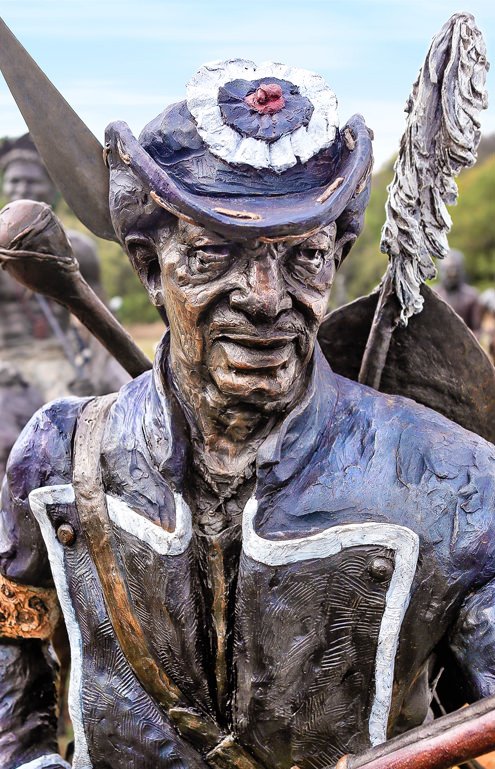
Amahlubi brief history 😍 Amahlubi king

Langalibalele 1818 – 1889


King of the amaHlubi Langalibalele was born near Utrecht in KwaZulu-Natal, at a time when British settlers began arriving in the area. His name means Bright Sun, derived from a severe drought at the time of his birth. The British, unable to pronounce his name, disrespectfully called him Long Belly.

He became king of the amaHlubi in 1836 after King Dingane killed his elder brother, Dlhomo, for defying him. Twelve years later, Dingane’s successor, King Mpande, attacked amaHlubi after Langalibalele refused to attend a meeting to which he had been summoned. AmaHlubi were then forced to flee across the Buffalo River into the Klip River area.

In 1850, the British who had seized control of the region in 1840, granted the 7,000 Hlubi refugees a stretch of land between the town of Estcourt and the Drakensberg, shrewdly using amaHlubi as a buffer to protect British cattle from the San hunters living in the mountains.

Over the next 25 years amaHlubi prospered. In 1873, threatened by this growth, the Estcourt magistrate enforced a recently enacted Gun Law, requiring amaHlubi men to register all the firearms they had received as payment for working in the diamond fields around Kimberley in the Northern Cape. AmaHlubi refused to register their guns recognizing the law as an effort to disarm them.

King Langalibalele was then summoned to appear before the magistrate to explain his people’s conduct. When Langalibalele refused to appear, his action was treated as rebellion.The force sent against amaHlubi outnumbered their entire kingdom by far. Despite their numbers the British had underestimated the difficult campaign and were forced to retreat.

Martial law was declared in the colony and troops were dispatched to hunt down Langalibalele who had fled to Lesotho before the real hostilities commenced. In the end, Chief Molapo, the son of King Moshoeshoe, handed him over to the British to avoid a war with the more powerful British imperial forces.Langalibalele was convicted of treason, murder and rebellion in 1874 during what some consider South Africa’s first Treason Trial.

He was then banished to Robben Island, off the Cape coast for life. Secretary of State for Colonies, Lord Carnavaron, forced the Cape Parliament to release him from the island in August 1875. He was then imprisoned on the farm, Uitvlugt near Pinelands in Cape Town, where Zulu King Cetshwayo would later be held. Langa township in Cape Town takes its name from these events.

He remained there until 1887 when he was allowed to return home, but was confined to Swartkop township near Pietermaritzburg where he died. In 1874 the Natal government abolished the Hlubi kingship in retribution for Langalibalele’s Rebellion. He is buried in Ntabamhlope, near Estcourt.

credit for this post: http://www.nhmsa.co.za/sculpture.html

His reign established the royal lineage that would continue for over 700 years. The Hlubi are a Bantu ethnic group predominantly found in KwaZulu-Natal and Eastern Cape provinces of South Africa. His leadership maintained the sovereignty and identity of the AmaHlubi people in the face of regional upheaval. His reign saw significant challenges as the Hlubi people were caught up in the expansion of the Zulu empire. Born as Dlomo II and later known as Mthethwa, he was commonly called Langalibalele I. His defiance of colonial authority in Natal led to his trial and exile, becoming a symbol of African resistance to colonial rule. Son of Tatazela kaSiyephu. He was crowned in September 1976 and is the current reigning King of the Hlubi people. Married to Queen Phumaphi Dlamini Hadebe with issue: Prince Bhekamahlubi Hadebe, Prince Mandlenkosi Hadebe, Princess Zibuyile Zamahlubi Hadebe, and Prince Sondezi Hadebe. The Hlubi people continue to seek official recognition of their kingship and nation by the South African government.

Abakwa Ndlela 😍 Ndlela Clan

AbakwaNDLELA brief History and Origin:

AbakwaNdlela ngamaSwazi ngobuzwe.
Babemi eBovini kwaNyamenja.EBovini apho yayingumhlaba onendlala kakhulu.

Babekholisa ukuza kurweba ukudla emaHlubini, apho kwakwendele intombi yakhona, uNgiyiwe kuBungane. Baphelela ekuchithakaleleni kumaHlubi.Ngenkcithakalo yamaHlubi basinga eluSuthu kwaZicwalile nakwaMohale.

Bafuduka kwelo basinga eHeshele kwaMhlambiso kaMthimkhulu, owaye eyinkosi kwelo eseyedwa.Behlile kwelo, Beza eGriquaIand East.

Namhla uninzi lwawo lukwaLuphindo, kwaMagadla, kwaMgubo, kwaMadlangala nakwaLebenya.”

NgabakwaSigula Sagul’ enkundleni kwaMtambose.
Ohamba ngomend’ unyanyaza ngenyongo yembuzi.
NgabakwaMnyanyathek’, ababele limnandi,
Ongath’ uma uhamba ngomend’ unqwenele ukulikhwebula.

NgabakwaNongobe zinengozi,
EakwaNaka-naka ndiya khala,
AbakwaHlab’ indoda yanyel’ emphandeni.
Zizilila gazi, kant’ abanye balil’iinyembeziZizibekuza, izaala-kulandelwa.NgabakwaNyathikazi, bakwaNodabekhulu.
Yeyheni maNdlela!

Phumani eSwaziniNize nembeleko,
nize kubeleth’ umntwana
Usenkundleni yamaHlubi!
NgabakwaLudonga-dilika kade sinath’emaxhaphuzeni. “

Source: from a book titled Iziduko ZamaHlubi, Henry Masila Ndawo, The Lovedale Press, 1939

AmaGamedzeΒ  Clan

Gamedze 
Gamedze,
Mntimande,
Bhambolunye tingaba mbini tifute ekhaya kulonyoko

Page 14 of 805

Β© 2026